ALON NG KABAYANIHAN - BOUND BY BLOOD. FORGED IN BRAVERY.

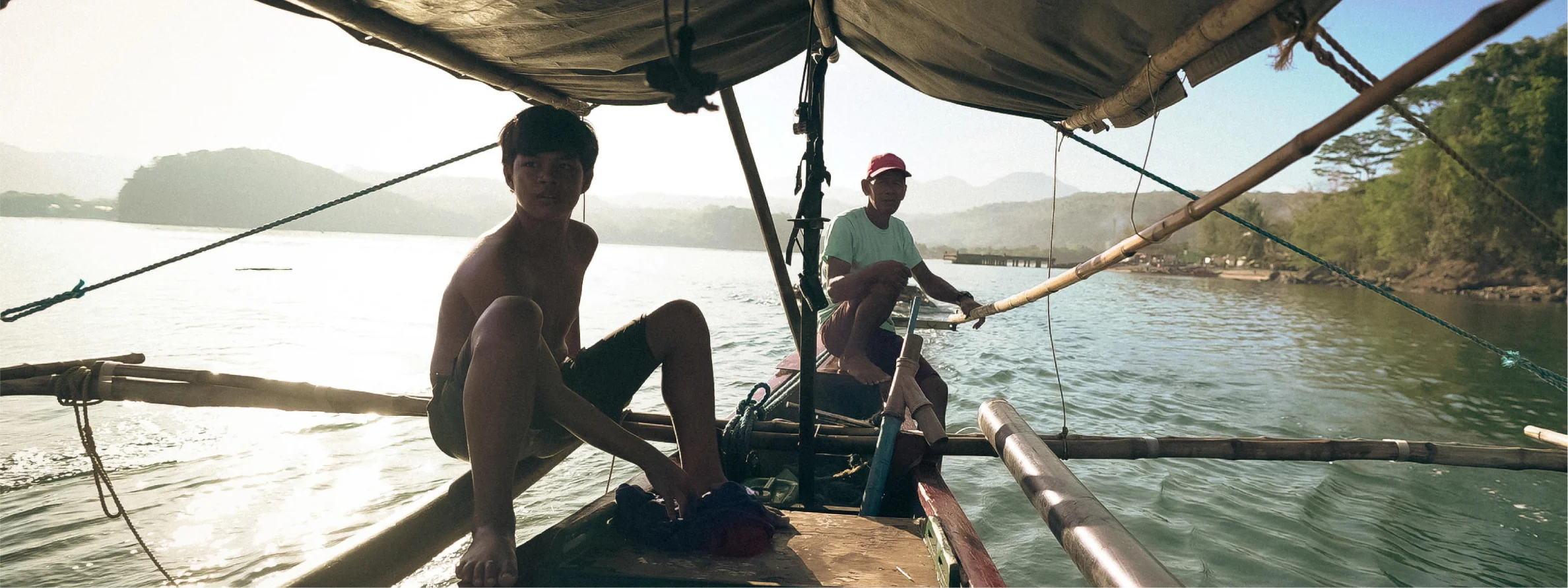
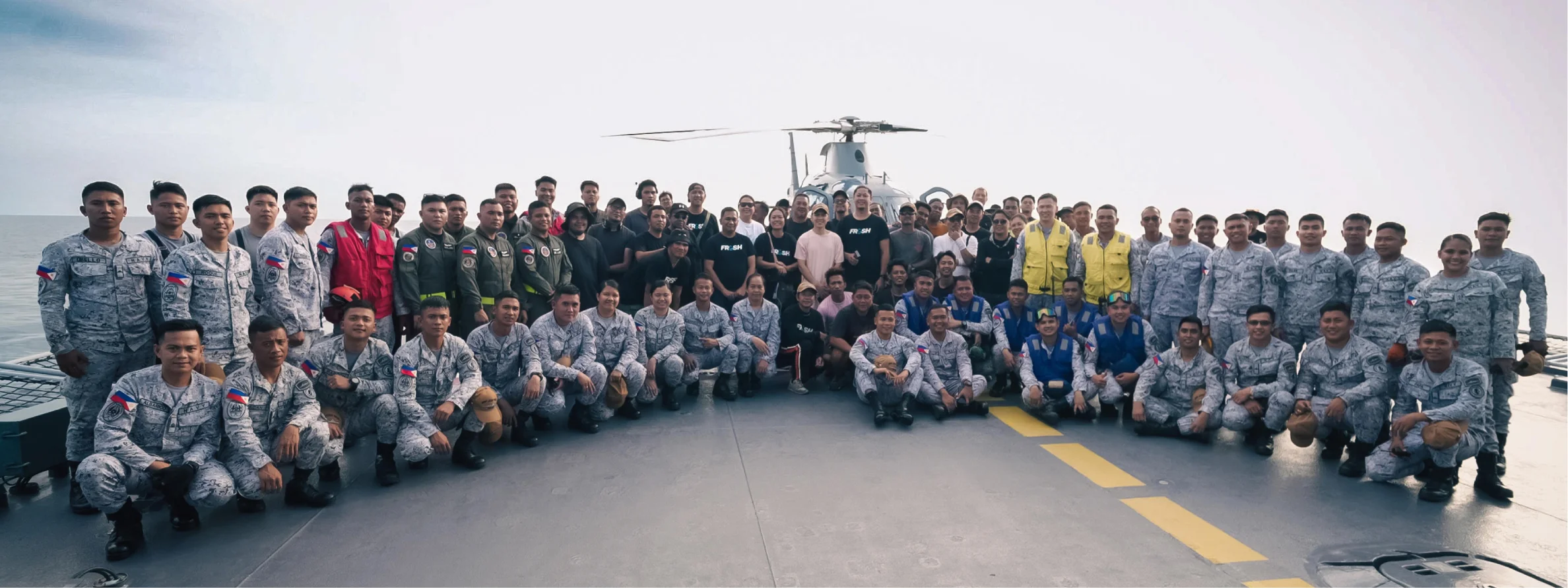
A creative platform celebrating Bayanis who protect the precious resources, sovereignty and way of life of the West Philippine Sea. Learn more about heroes of today — from dedicated Navy officers to the fisherfolk of Ilocos Norte.
About the West Philippine Sea
PROTECTING OUR WATERS
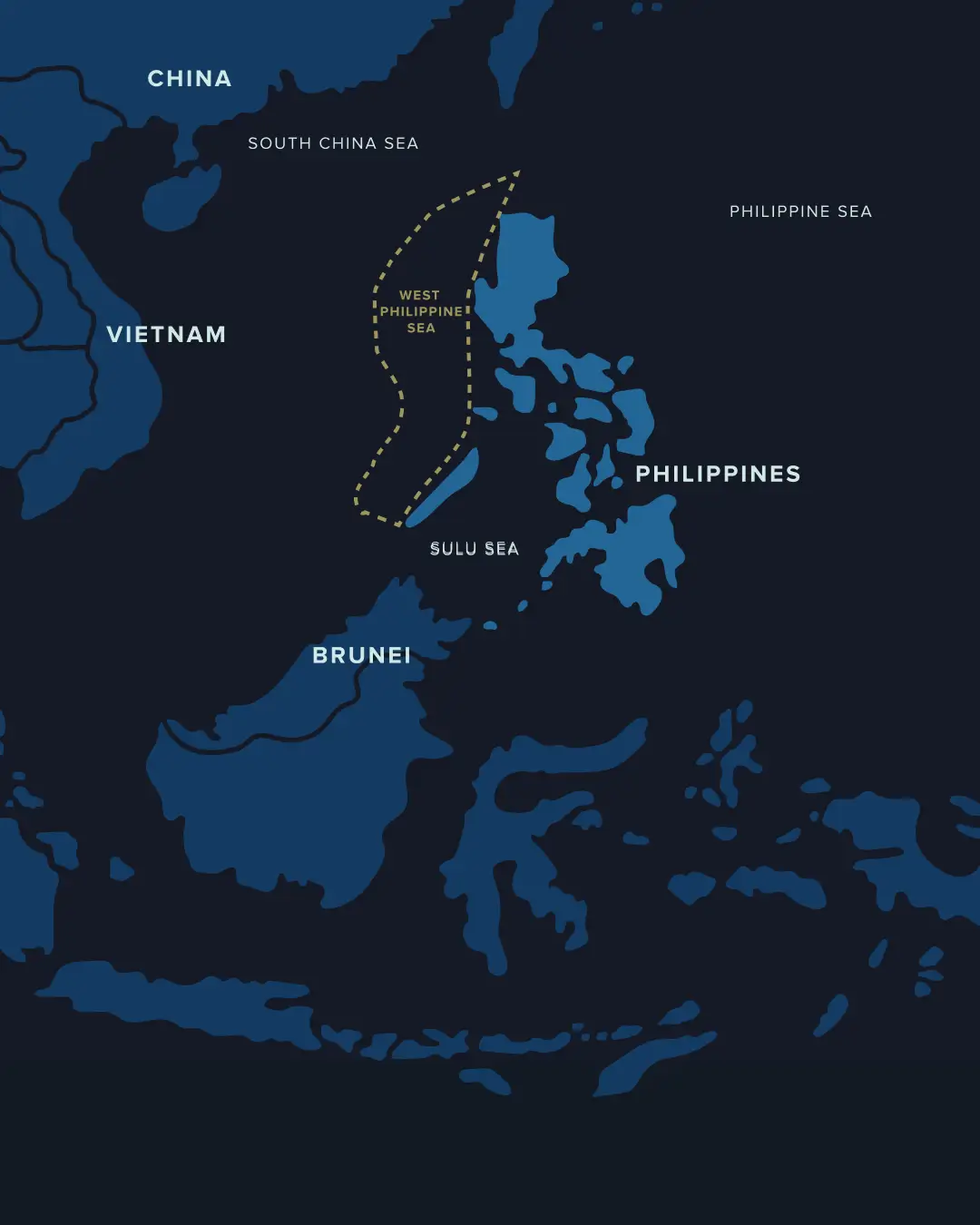
The West Philippine Sea is a maritime domain vital to the survival and progress of our nation, both today and for generations to come.
Defining the Philippine Sea
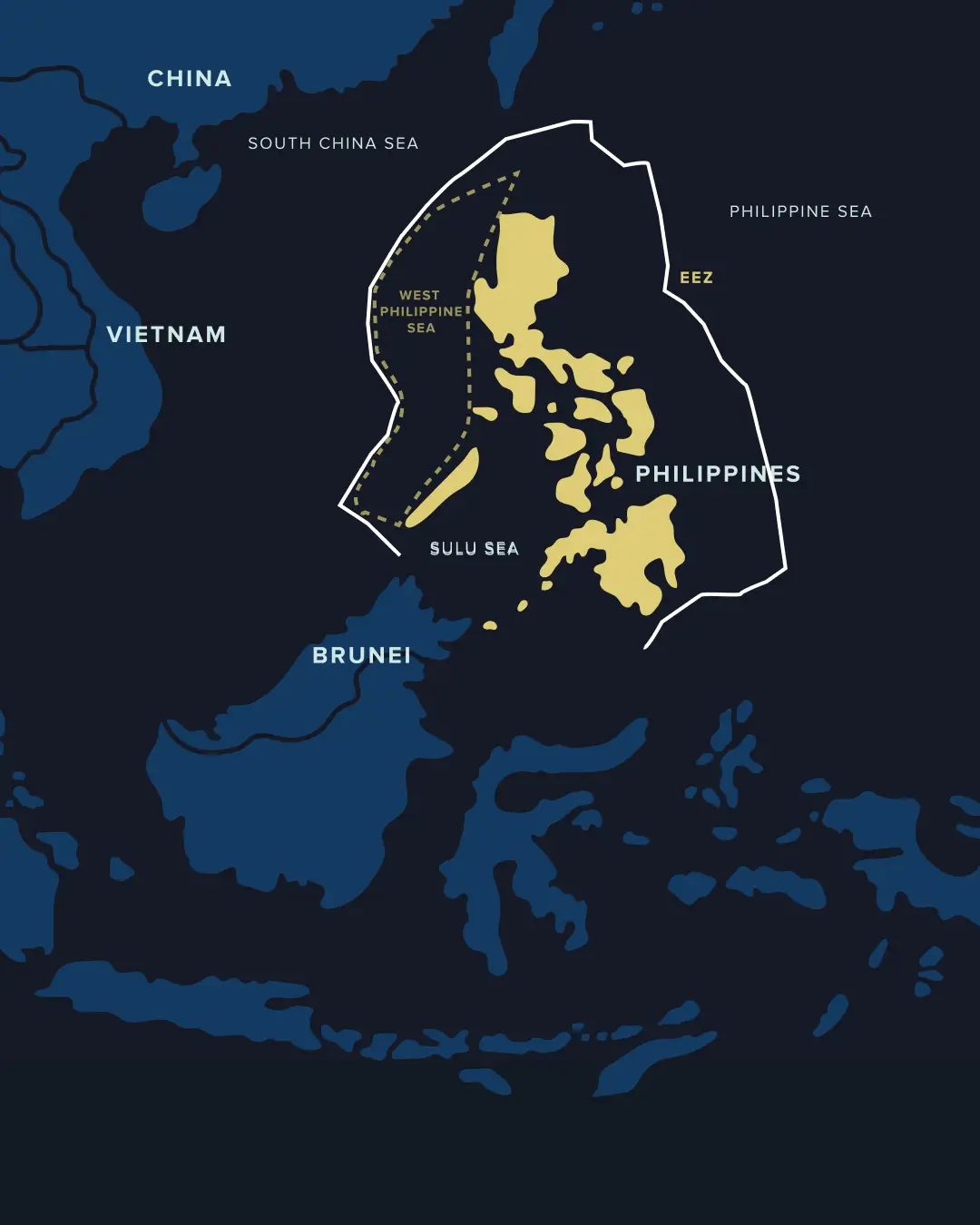
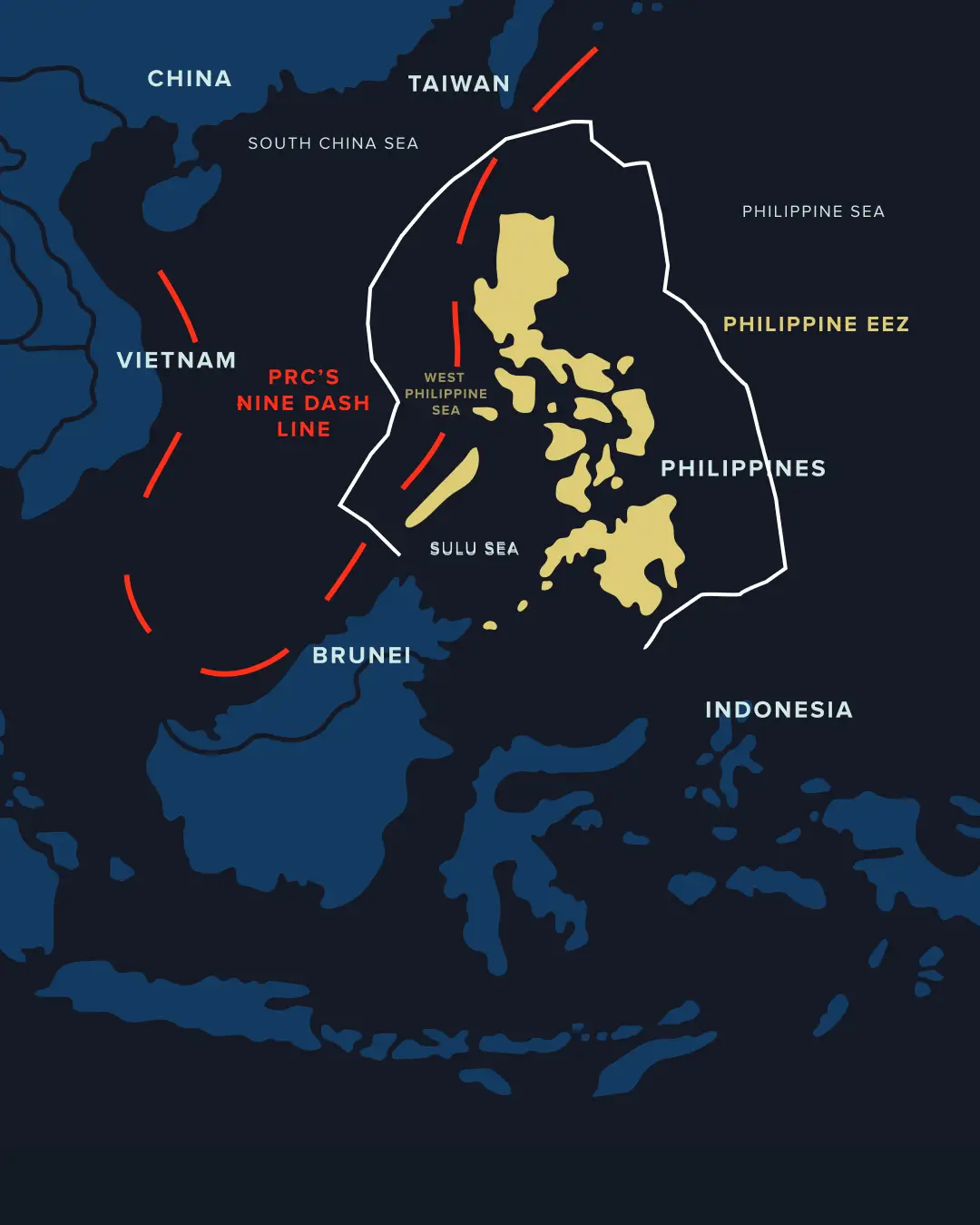
In 2012, Administrative Order No. 29 officially named the maritime area in the western portion of the Philippines' Exclusive Economic Zone (EEZ) the “West Philippine Sea”.
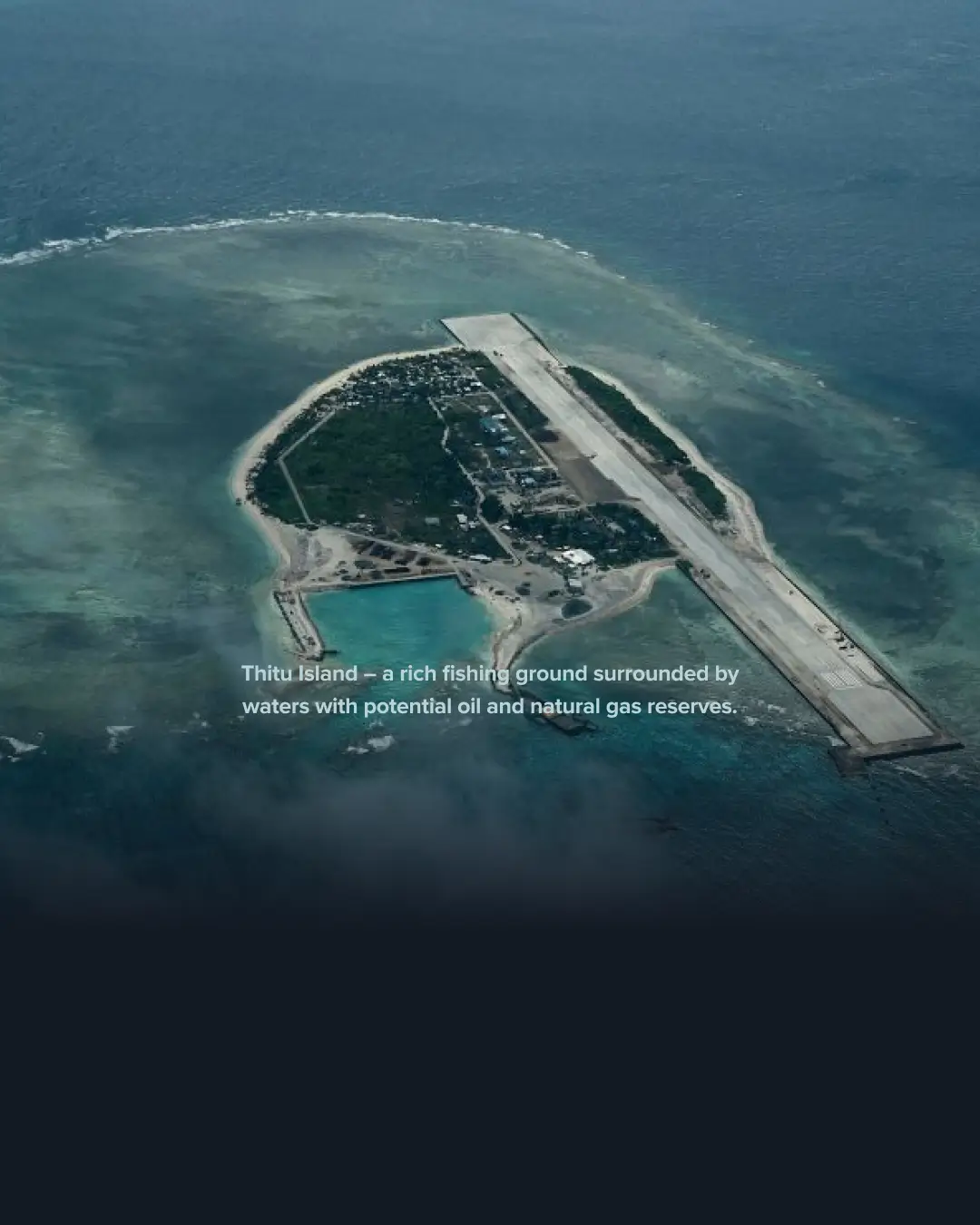
Exclusive Rights in the EEZ
Under international law, the Philippines has exclusive rights to explore, utilize, conserve, and manage natural resources in its EEZ.
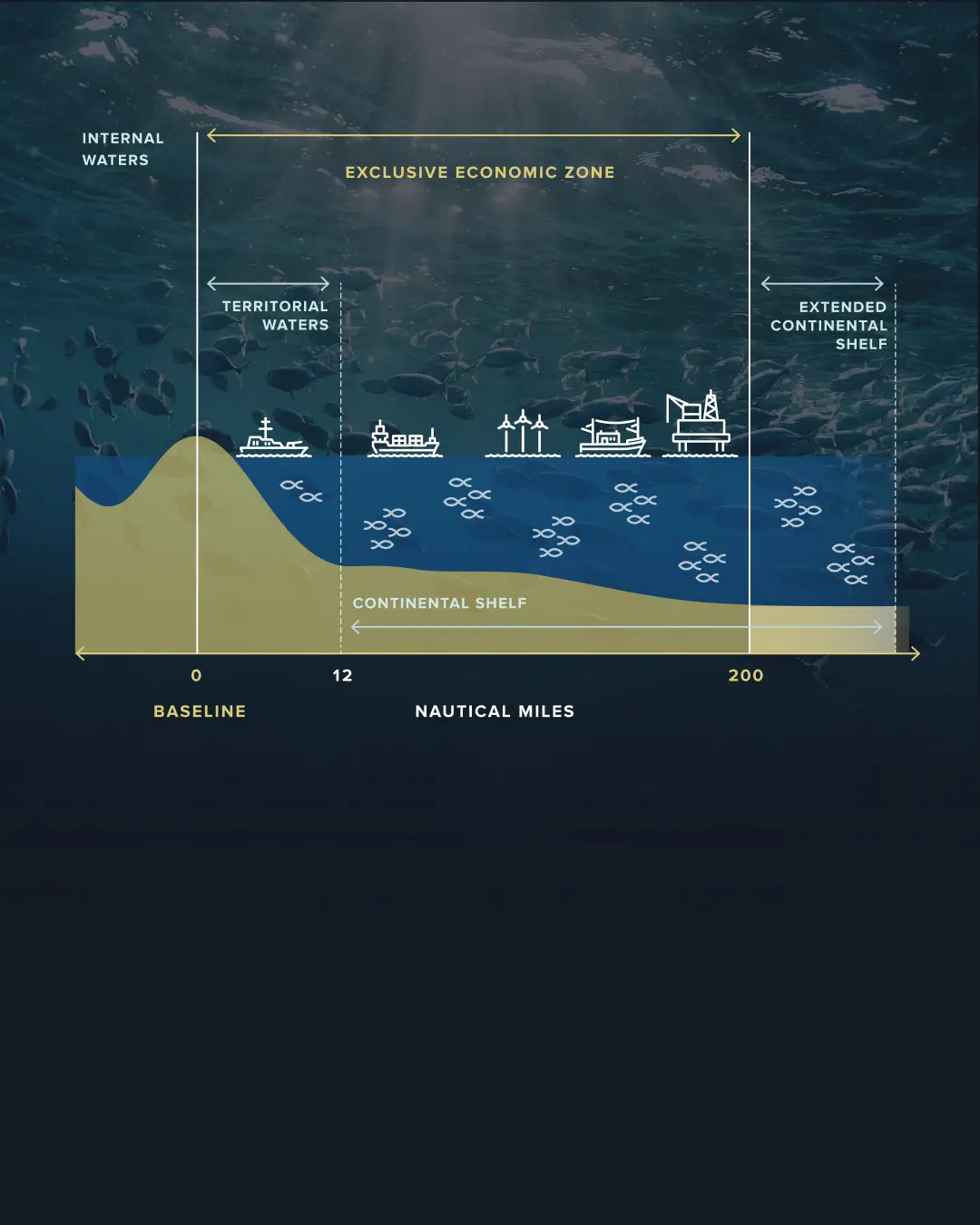
200 Nautical Miles from Baseline
In accordance with international law, every coastal state is granted an EEZ that extends up to 200 nautical miles from its baseline into the adjacent sea.
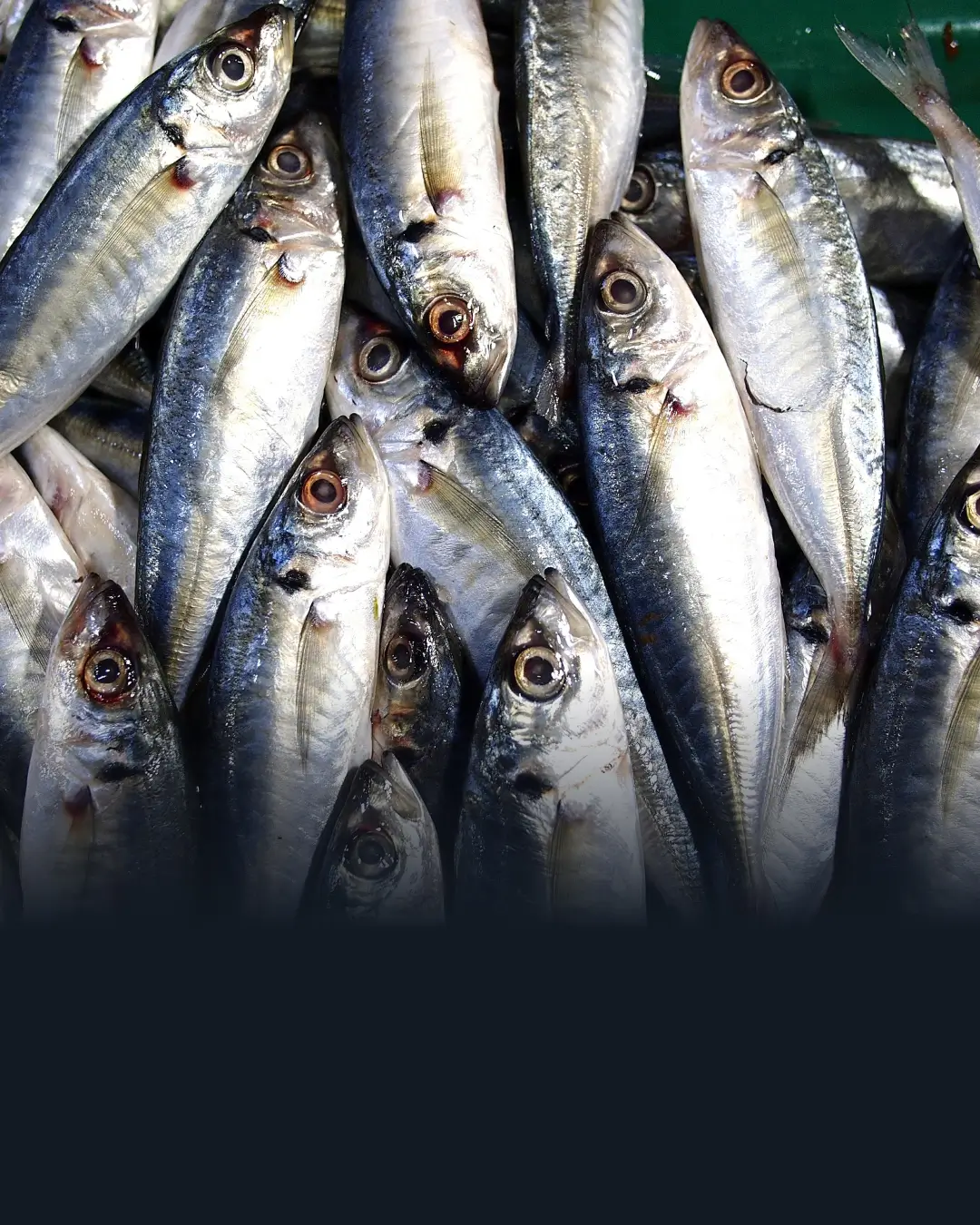
Safeguarding our Source of Food
The West Philippine Sea provides vital spawning grounds for everyday staples like galunggong (mackerel scad) and danggit (rabbitfish).
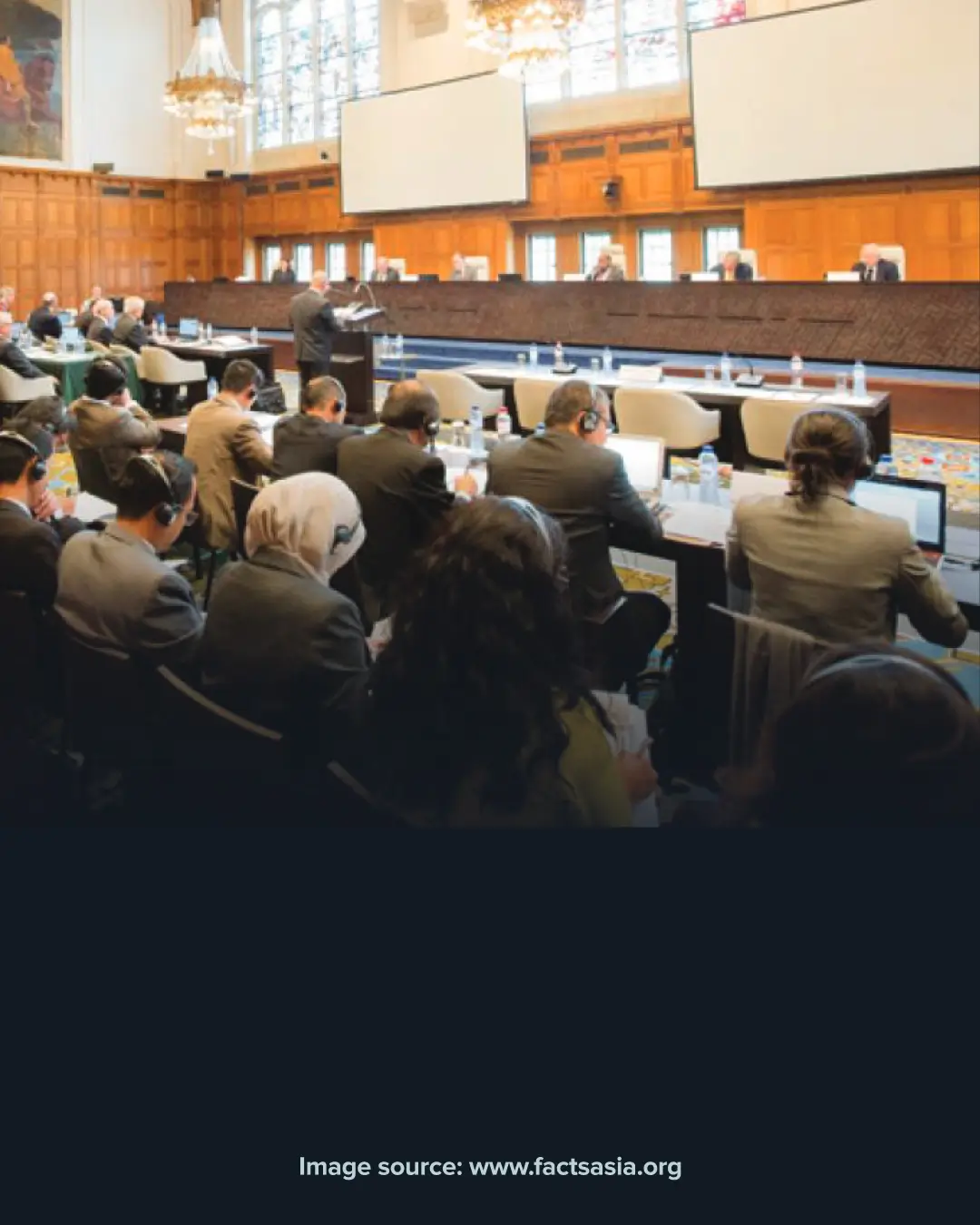
Affirming the Philippines' Maritime Rights
In 2016, an arbitral tribunal constituted under the United Nations Convention on the Law of the Sea (UNCLOS) reaffirmed the Philippines’ sovereign rights within its EEZ. UNCLOS is widely recognized as the legal framework governing all activities in the world’s oceans and seas.
Upholding Philippine SovEreignity
The Arbitral Tribunal also ruled that the PRC’s Nine-Dash Line, which claims territorial and so-called “historic” rights over vast areas of the South China Sea and the Exclusive Economic Zones of other nations, has no legal basis under international law.
Bajo de Masinloc (Scarborough Shoal)
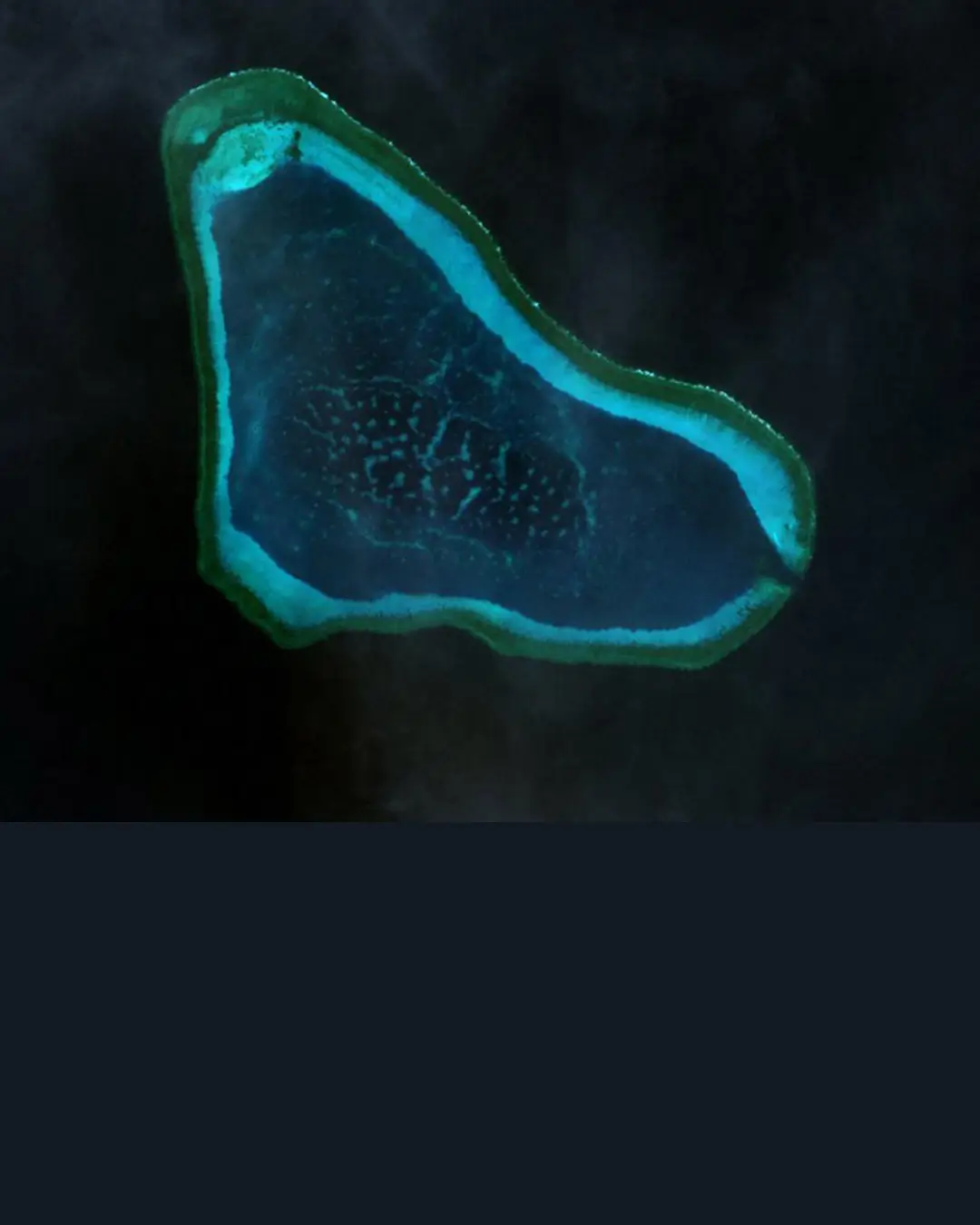
A biologically-rich coral atoll that lies 120 nautical miles west of Luzon. A traditional fishing ground for many nationalities, access to it has been restricted since 2012 due to the constant presence of PRC Coast Guard vessels.
Armed Forces of the Philippines (AFP)
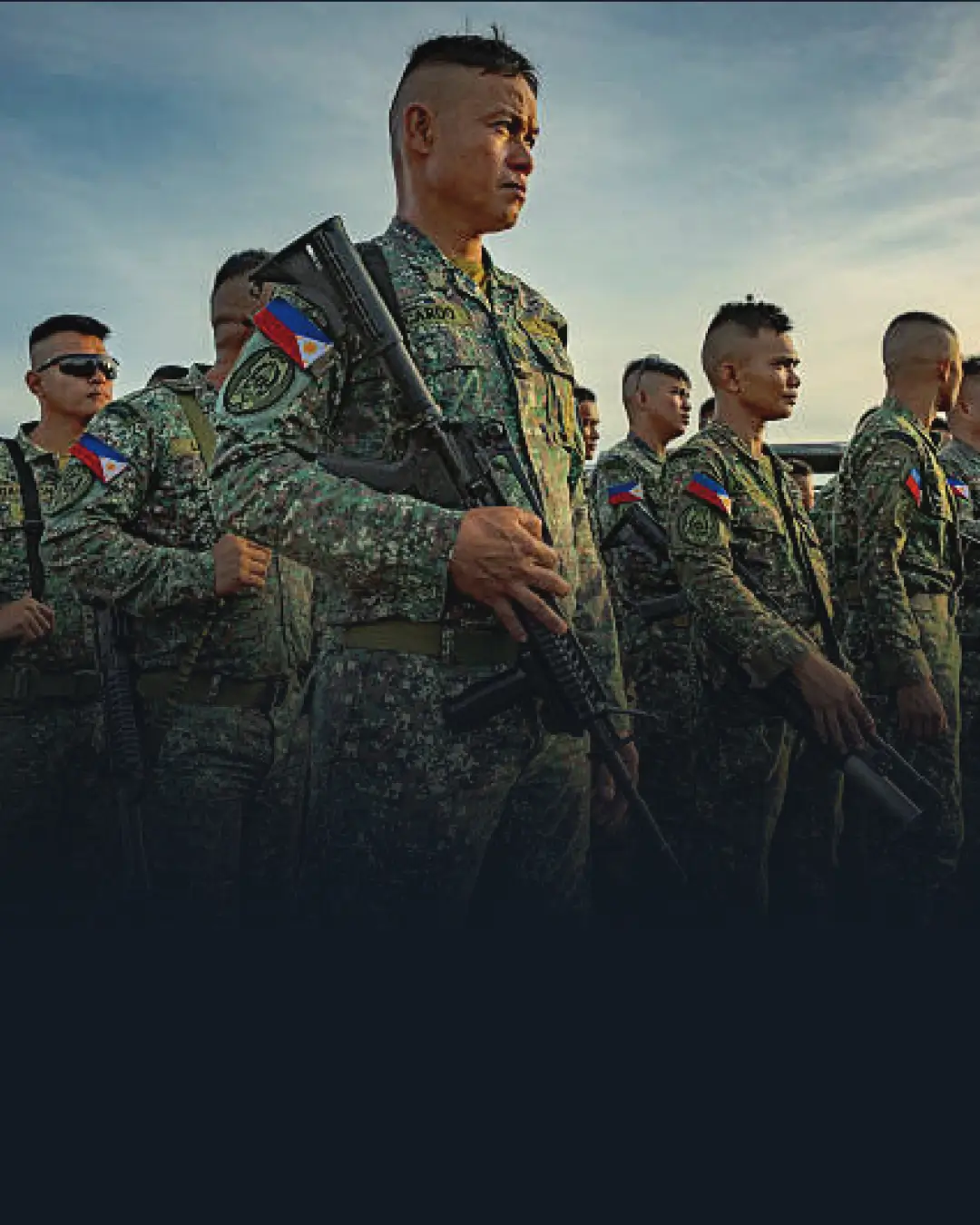
The Philippines has 7,641 islands and the fifth-longest coastline in the world. As an archipelagic nation, the AFP must be prepared to defend the country by land, air, and sea.
AFP's Mission and Purpose
In 2024, the AFP developed the Comprehensive Archipelagic Defense Concept to safeguard the Philippines’ Exclusive Economic Zone (EEZ) by enhancing its military capabilities.
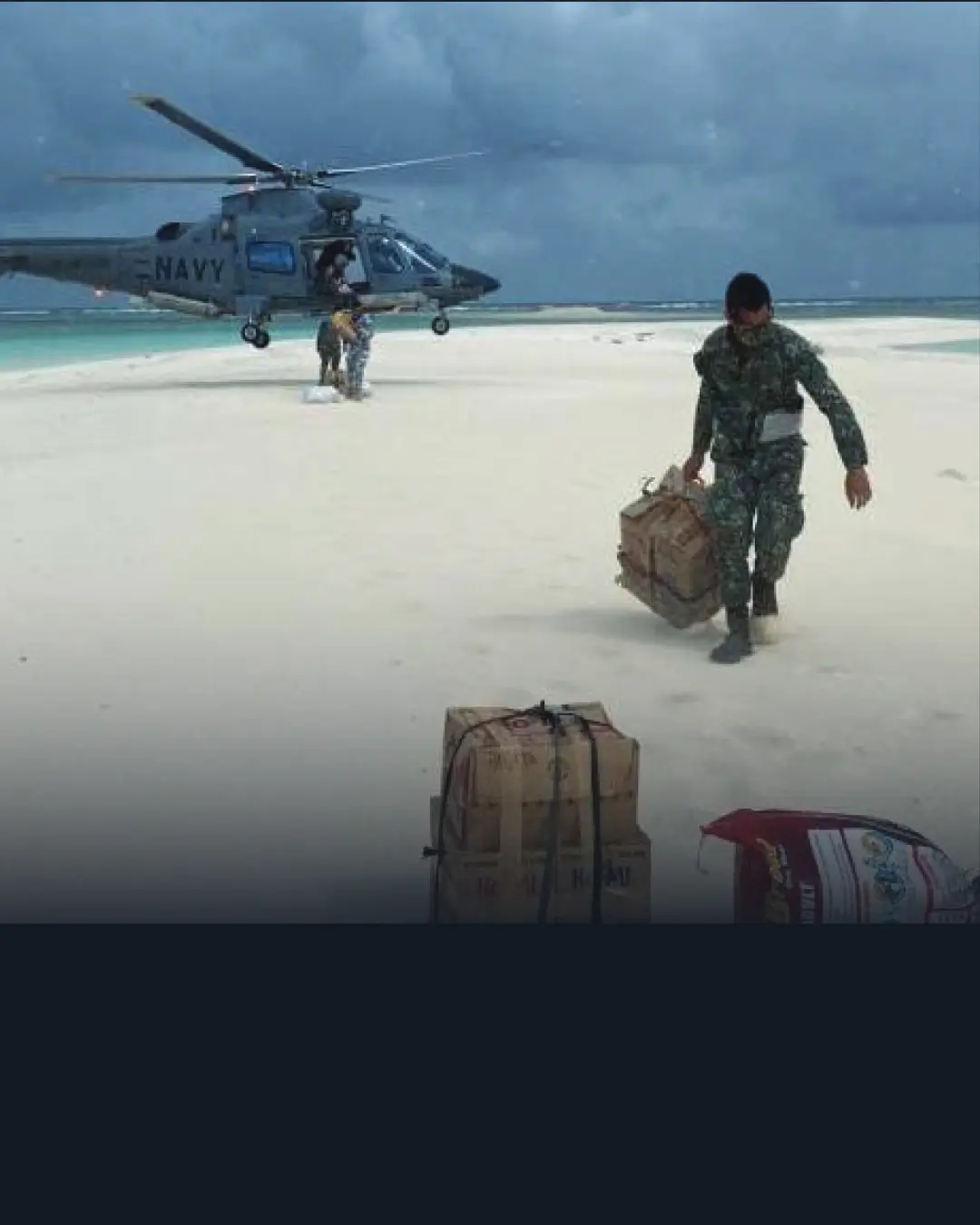
Resupplying against All Odds
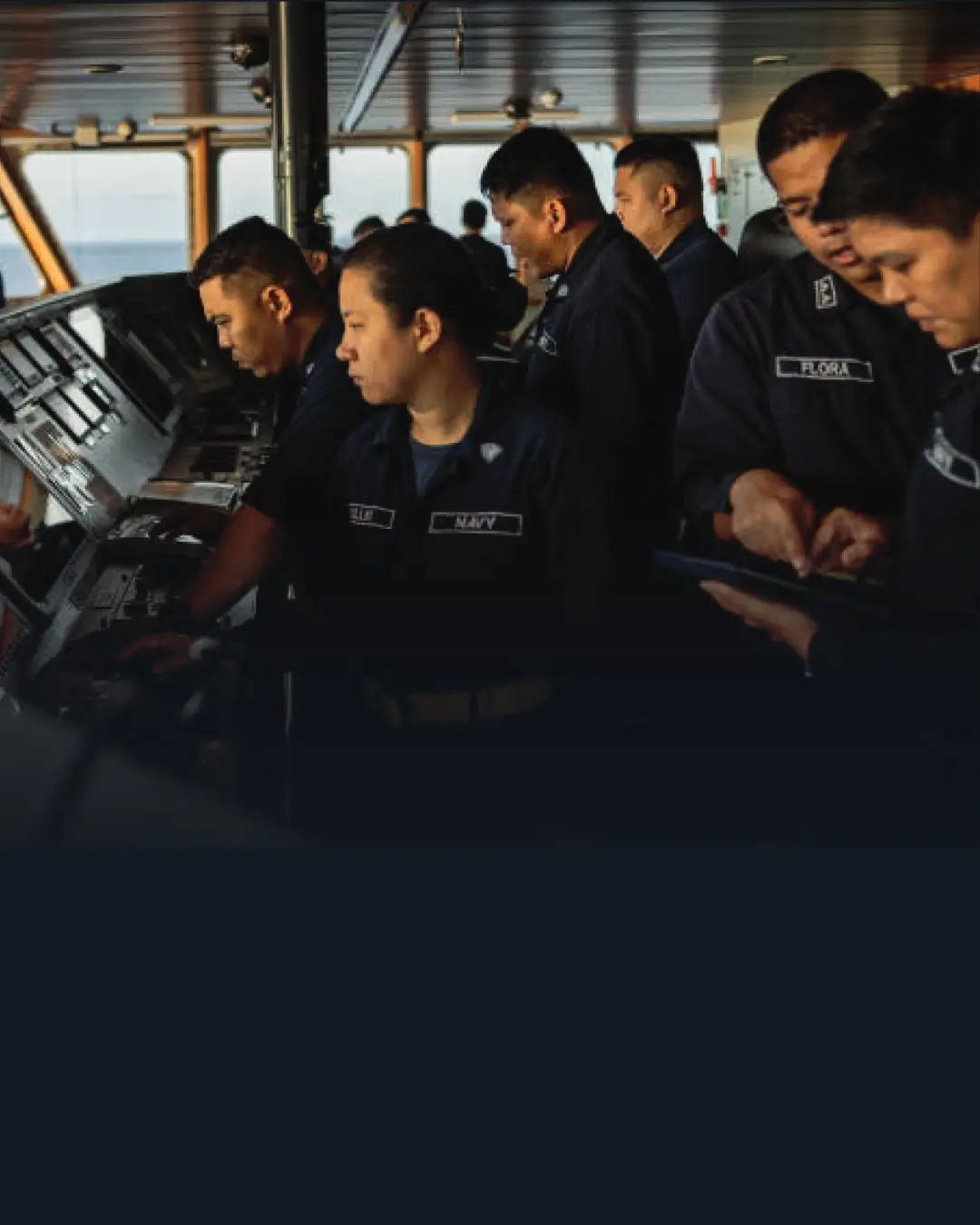
Despite aggressive attempts by the PRC Coast Guard to block resupply efforts, the Philippine Navy remains unwavering in its commitment to support troops stationed at critical outposts across the West Philippine Sea.
West Philippine Sea Bayani Movement
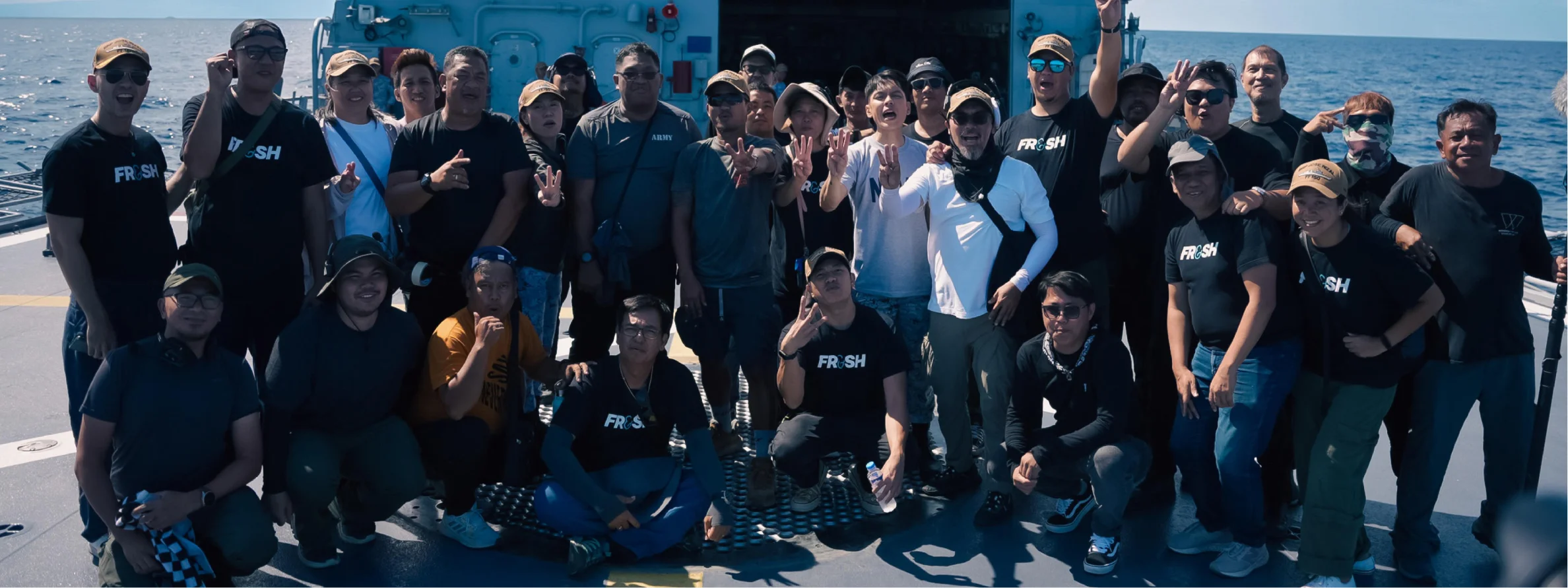
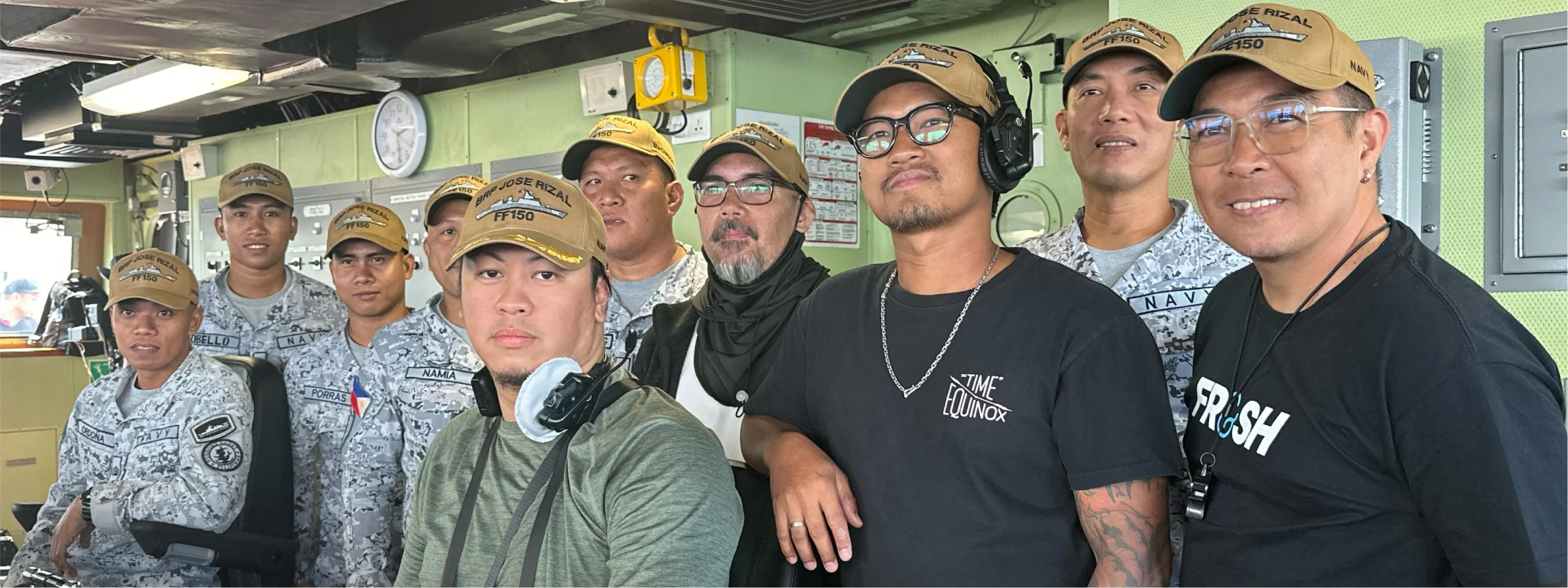
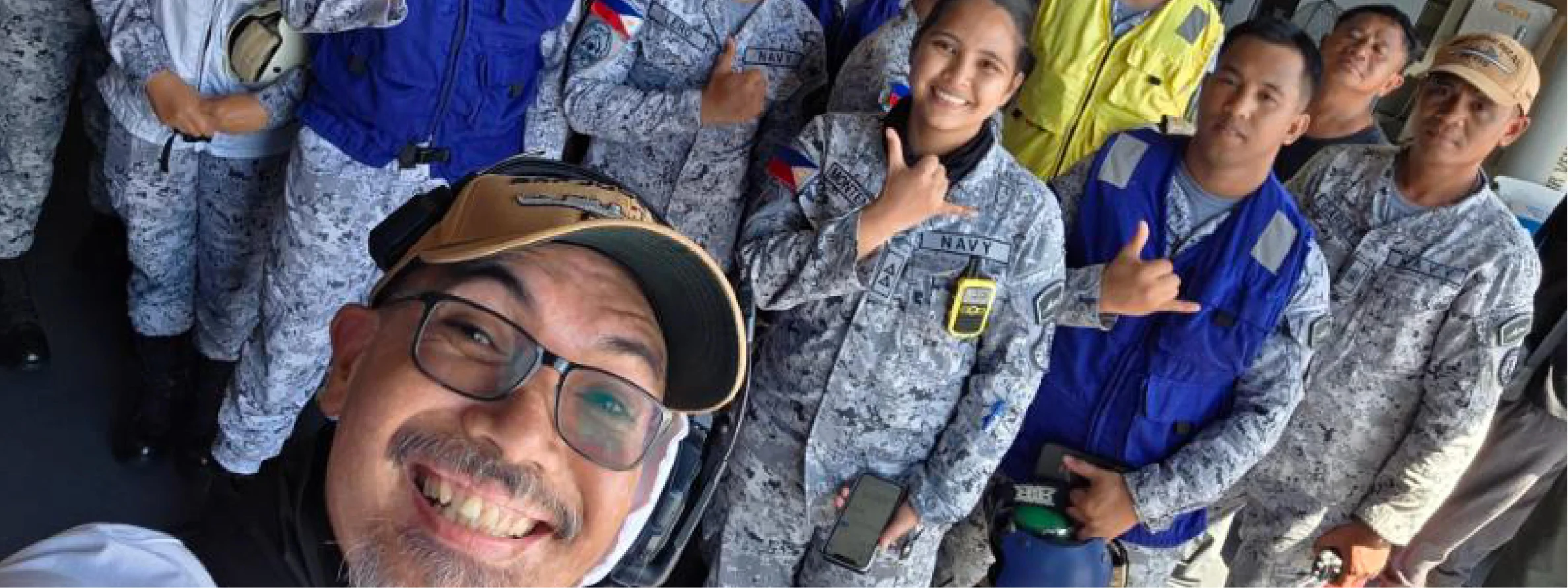


Kevin Mayuga
Director, Alon Ng Kabayanihan
“Before, I thought I already knew the issue in the West Philippine Sea, but it turned out that it was just surface level. When I dove deeper into the research with the navy, when I talked to the fishermen, I felt their hardship, their anger, and their resilience. That broke my heart, and that's when I realized that this story needed to be told.”
Learn more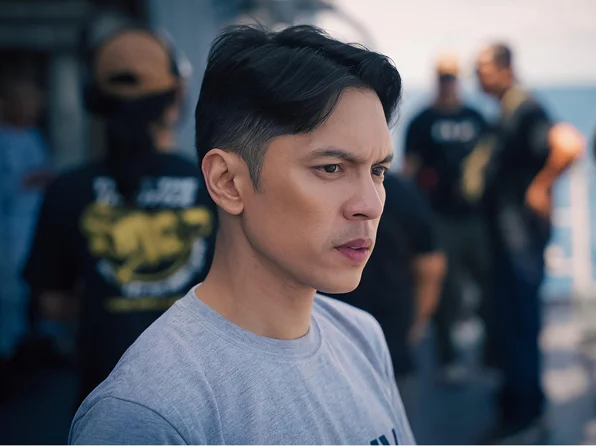
Carlo Aquino
Actor, Alon ng Kabayanihan
“One of the things I learned from them (Armed Forces of the Philippines) is their dedication and the love the Navy has for this country and for their fellow Filipinos. Also, their respect—when they talk to anyone, there’s equal respect.”
Learn more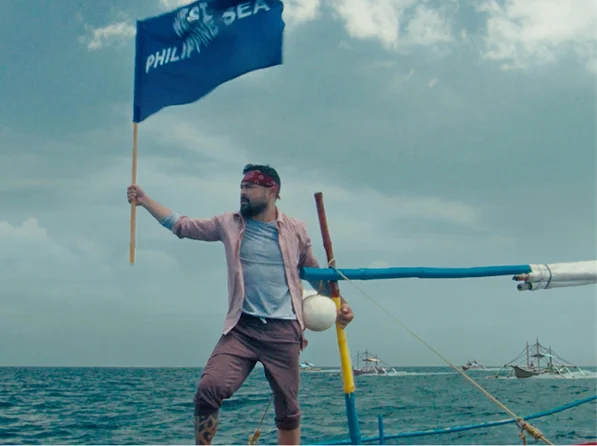
Sid Lucero
Actor, Alon ng Kabayanihan
“That’s the enemy — ignorance. That’s why we’re doing this. To spread awareness, knowledge, so that little by little, we won’t be taken advantage of like this again.”
Learn more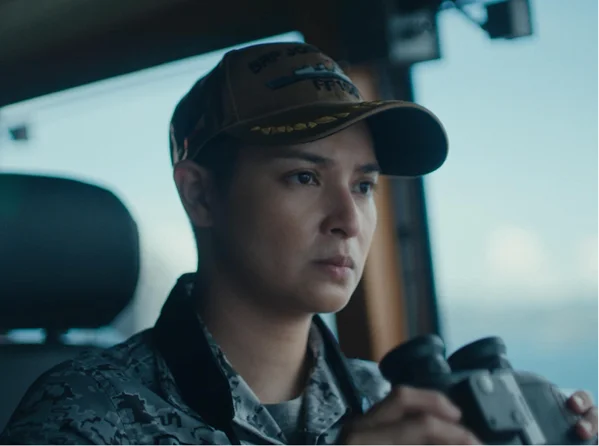
Ryza Cenon
Actress, Alon ng Kabayanihan
“To me, a Bayani doesn’t need a costume to look like one, or to write something grand. As long as you help others, sincerely and without expecting anything in return—you are a Bayani.”
Learn more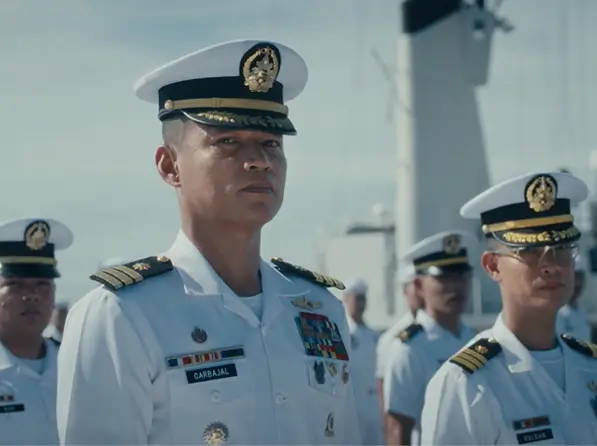
Commander Carbajal Philippine Navy
“For me, being a hero is selfless service. It’s about going beyond the call of duty - selfless service, dedication, putting your best foot forward, your best effort.”
Learn moreWest Philippine Sea Bayanis — those with the dedication, courage, and belief in our rights as a Nation.
Real Stories
Real Stories of the West Philippine Sea
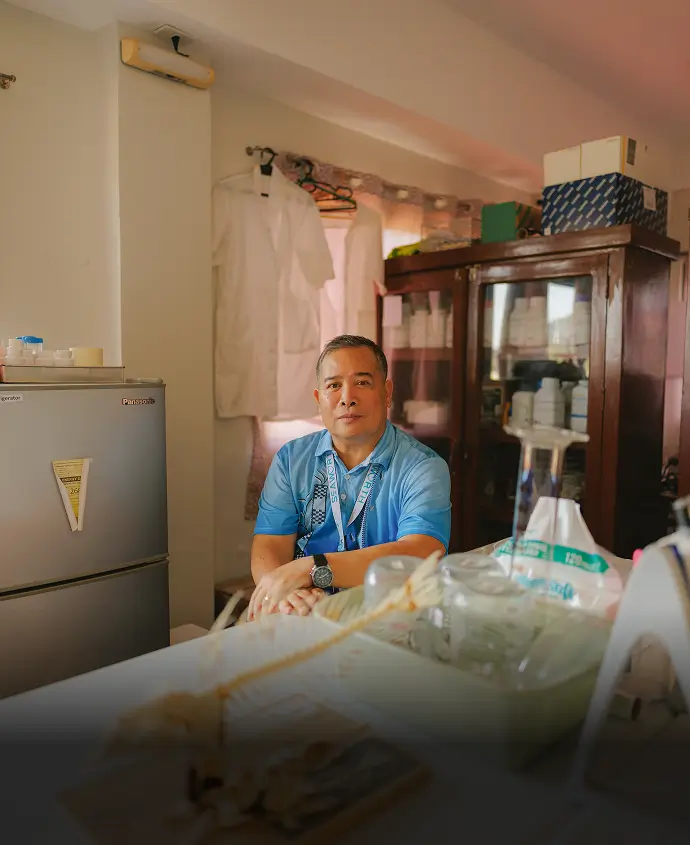
Joel Bisera describes the importance of the WPS.

These islands define our sovereignty. They have been good fishing grounds. Fishermen from Zambales used to go to Scarborough Shoal just to fish.
Joel Bisera,
Professor of Fisheries & Natural Sciences
Western Philippines University, Palawan

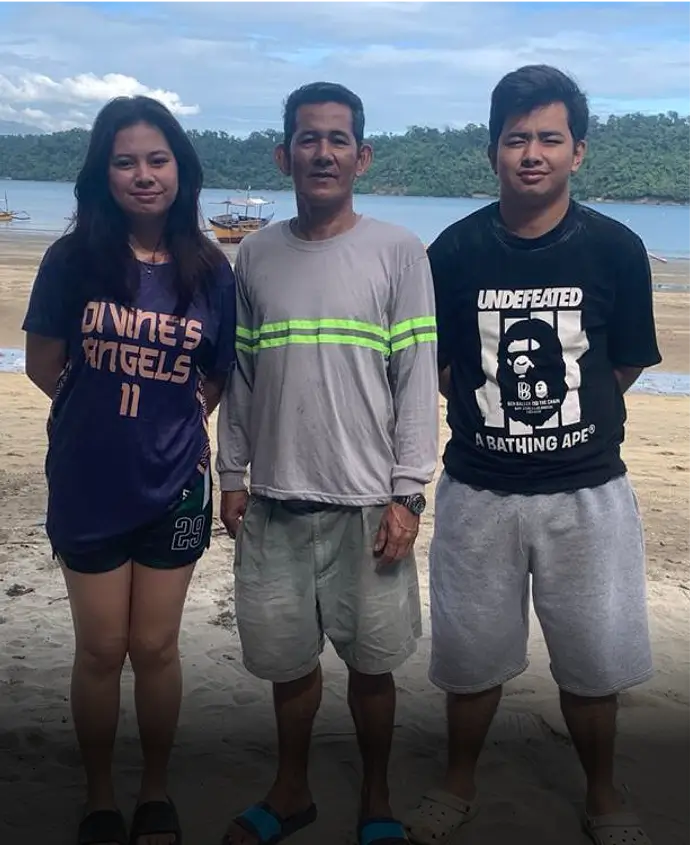
Jonathan Bueno (middle) on restricted fishing access
The Chinese fishing vessels had a huge impact on our West Philippine Sea. We can hardly get close to the area with lots of fish.
Jonathan Bueno,
Bataan, Central Luzon (Region III)
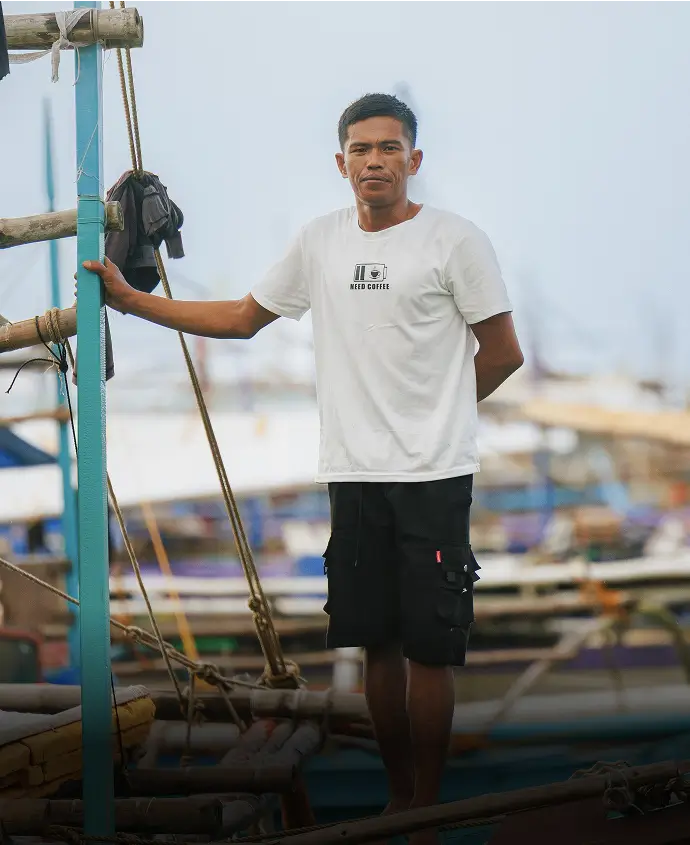
Richard Miral regularly experiences intimidation at sea.
They don’t necessarily ram you, but they pass by to drive you to the side; they won’t let you enter that area.
Richard Miral,
Puerto Princesa, Palawan
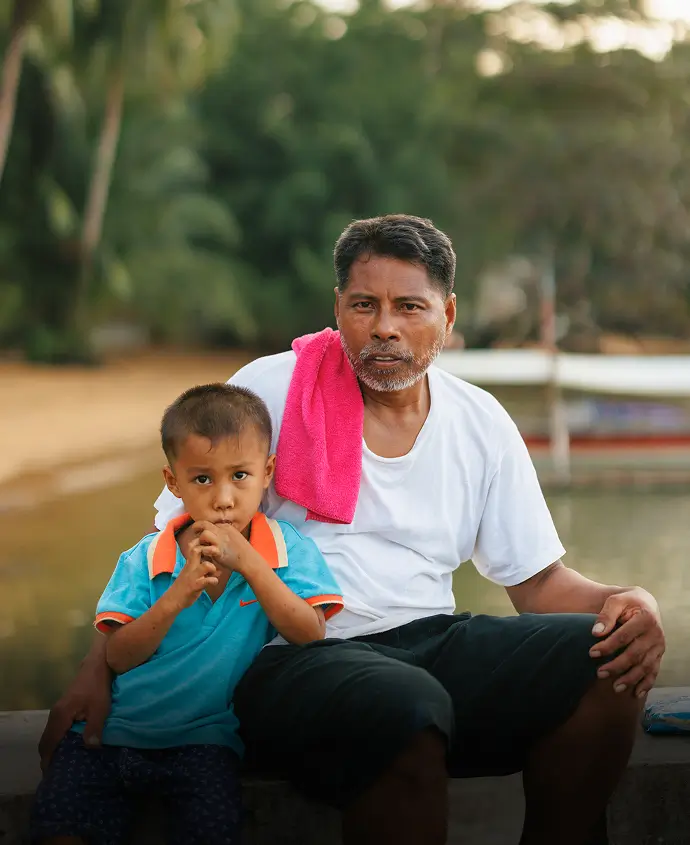
Marvin Umawan is regularly intimidated by Chinese patrol boats
What is frightening now is that sometimes the Chinese vessels seem to be harassing fishermen. Wherever we went, they went there too.
Marvin Umawan,
Puerto Princesa, Palawan
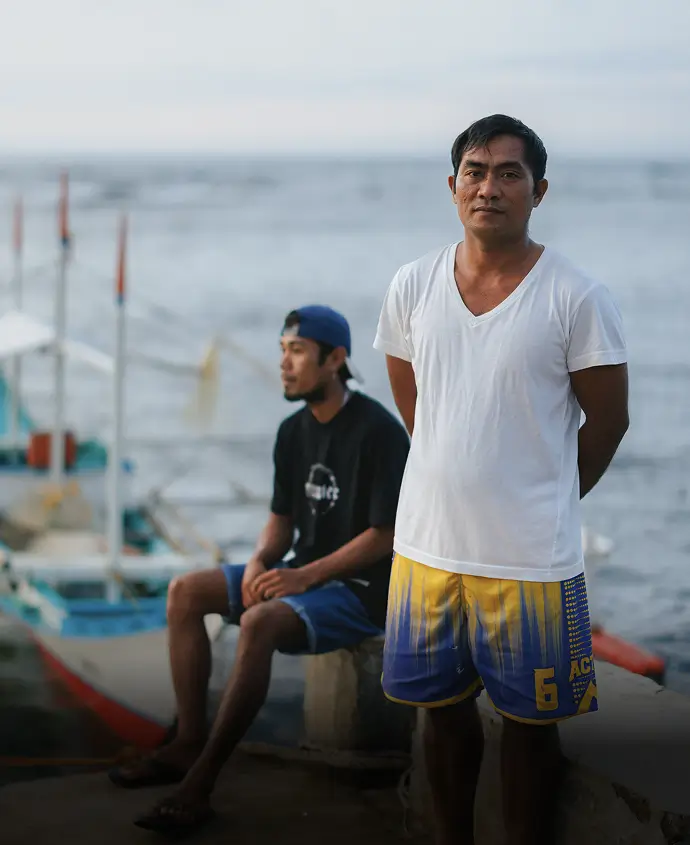
Artiga Castilion describes the harassment he faces out at sea
We were told that people like us are not allowed to enter that area. We are not allowed to pass through there.
Artiga Castilion,
Puerto Princesa, Palawan
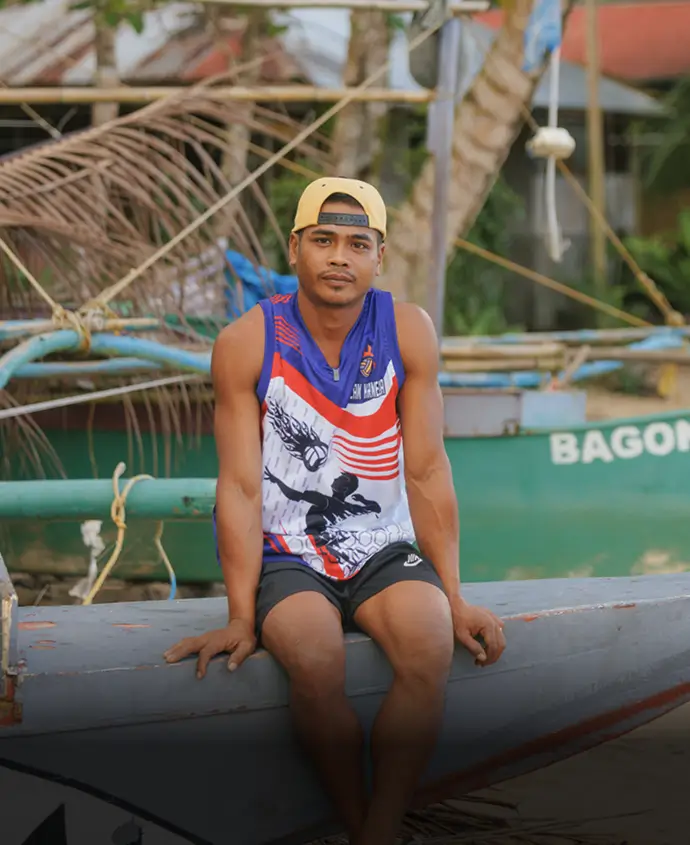
Ronel Cabas lives in fear when he goes out fishing in the WPS
Sometimes it’s scary to go out to sea there because they chase after us just to intimidate. Then when we were already heading home, they were blocking our path with nets.
Ronel Cabas,
Puerto Princesa, Palawan
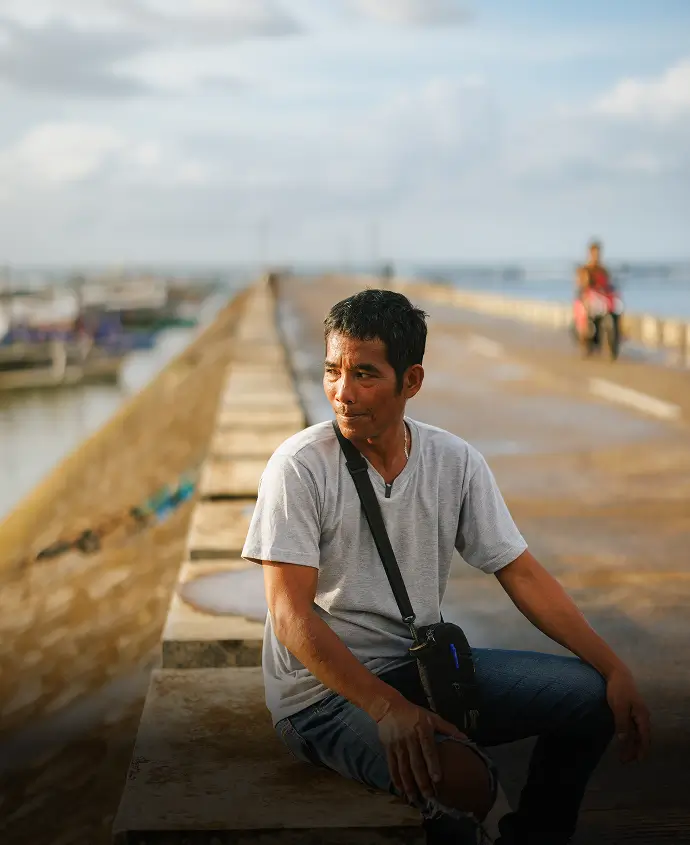
Wilfred Del Rosario shares how fishing income has declined.
Before, in four days, we made 20,000 to 30,000 pesos from one trip to Reed Bank. Now our biggest earnings are like 10,000. That’s a huge change.
Wilfred Del Rosario,
President, Bagong Bayan Fisherfolk Association
Puerto Princesa, Palawan
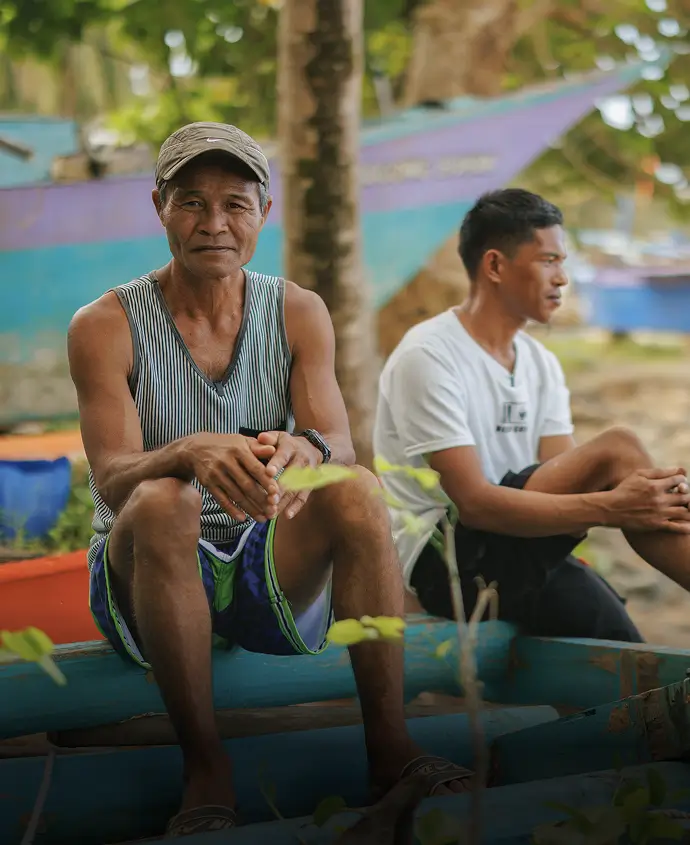
Ray Angeles (left) & Richard Miral (right) describe the drastic drop in their daily catch.
We’ve lost so much. Before, we could catch 70 pieces of suno (grouper), now they come home with only twenty or thirty.
Ray Angeles & Richard Mira,
Puerto Princesa, Palawan
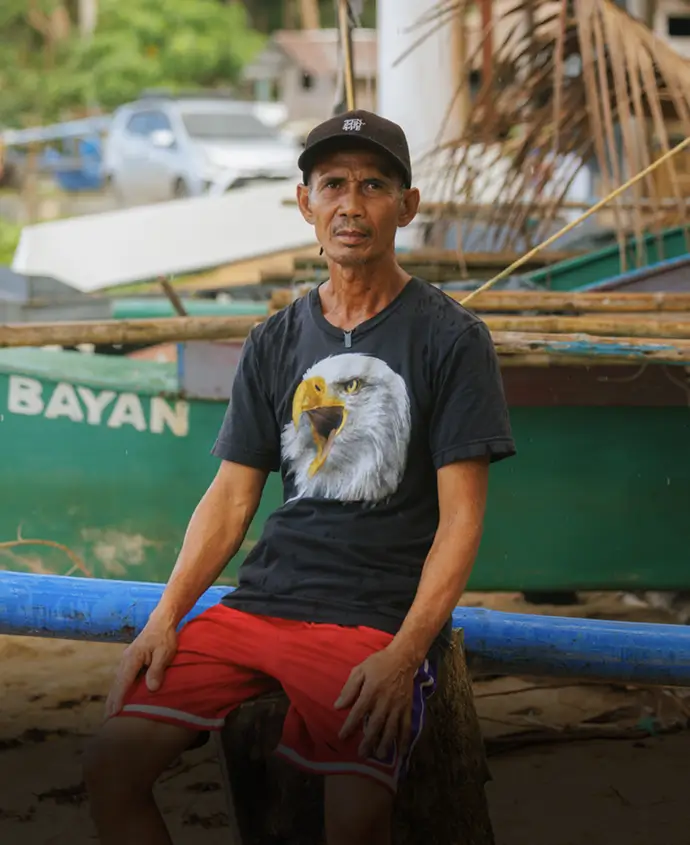
Rid Lissar on how catching fish has become uncertain
Before, there were a lot of fish. Now, even if you go far, it’s just luck if you catch a lot. It’s uncertain.
Rid Lillasar,
Puerto Princesa, Palawan
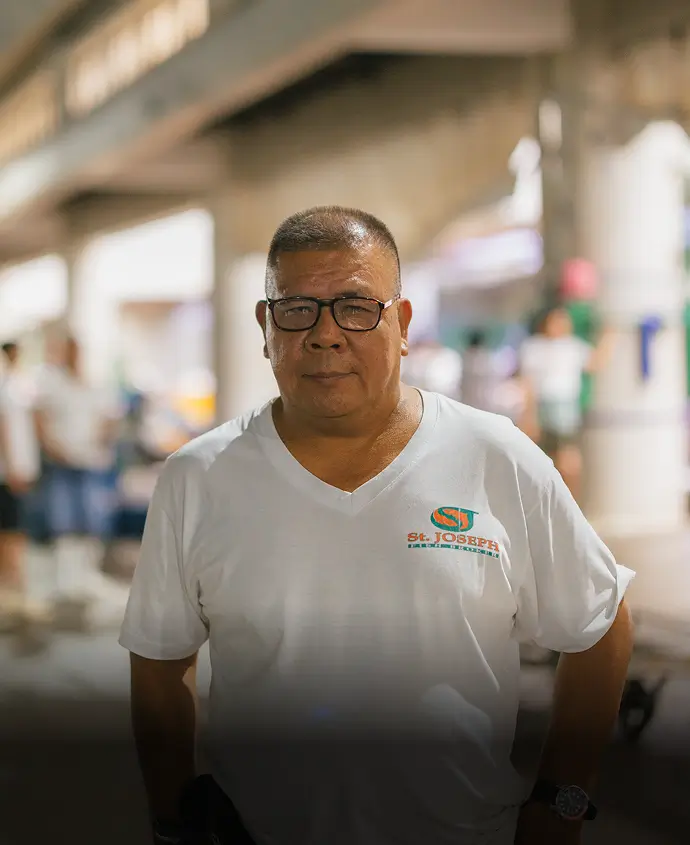
Paulino Almunicar on losing local fish to imports
Even when fish is available, it’s only in small amounts—not enough to supply demand. We keep losing to imported products.
Paulino Almunicar,
Fish seller,
Navotas Fish Port complex, Manila
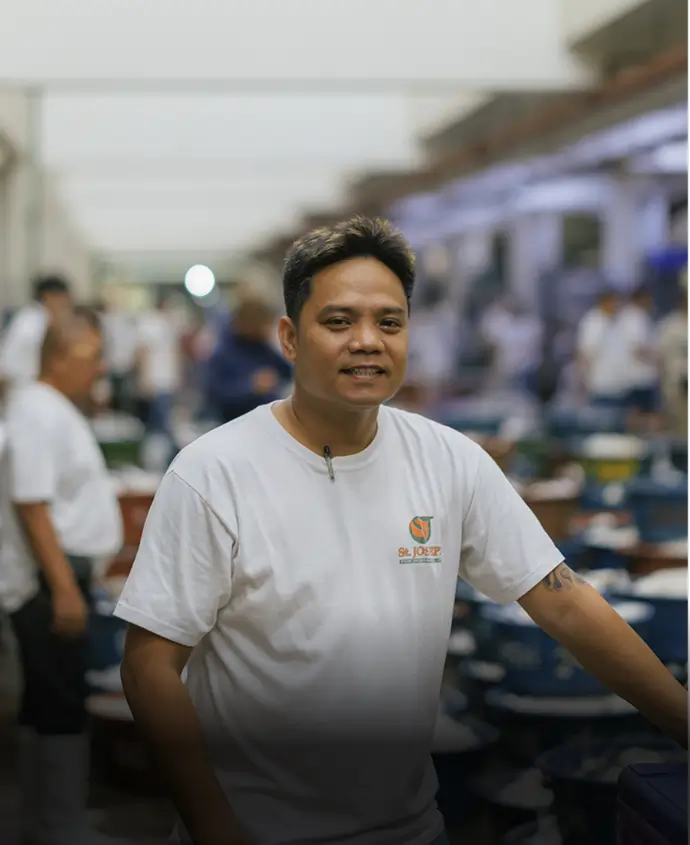
Joey Guaara notes fresh galunggong leaving markets
Fresh galunggong are almost depleted, so people in the market now prefer frozen ones. Galunggong no longer reach here. They’re bought up by agents right at sea, on the lantsa, and made into frozen.
Joey Guaara,
Fish seller,
St. Joseph Market, Manila
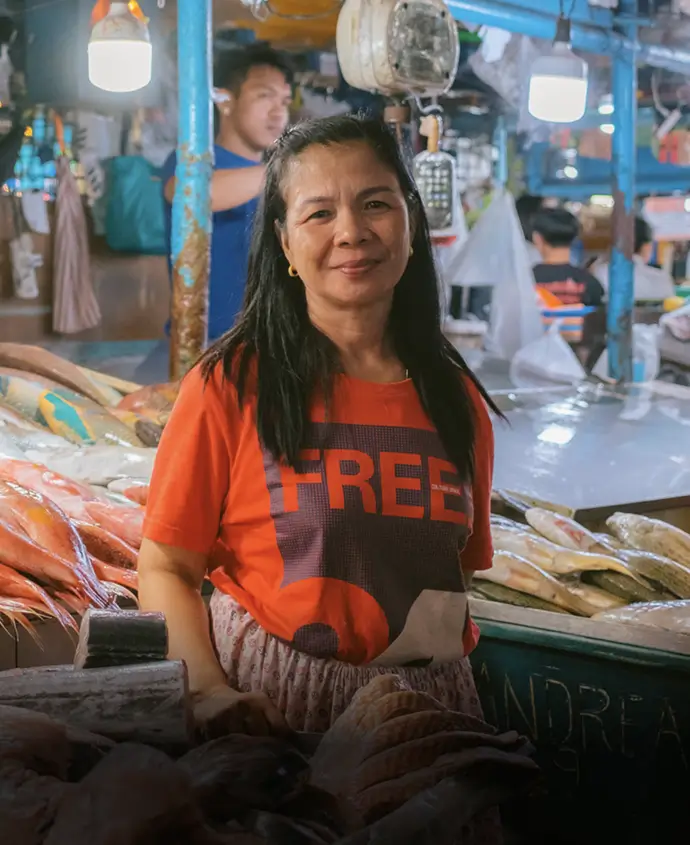
Joy Sabala has doubts over the quality of imported fish.
The difference is huge. Fresh fish, you can just boil. But the imports, you just fry them; we aren’t sure if they’re fresh or where they came from.
Joy Sabala,
Cubao Farmers Market, Manila
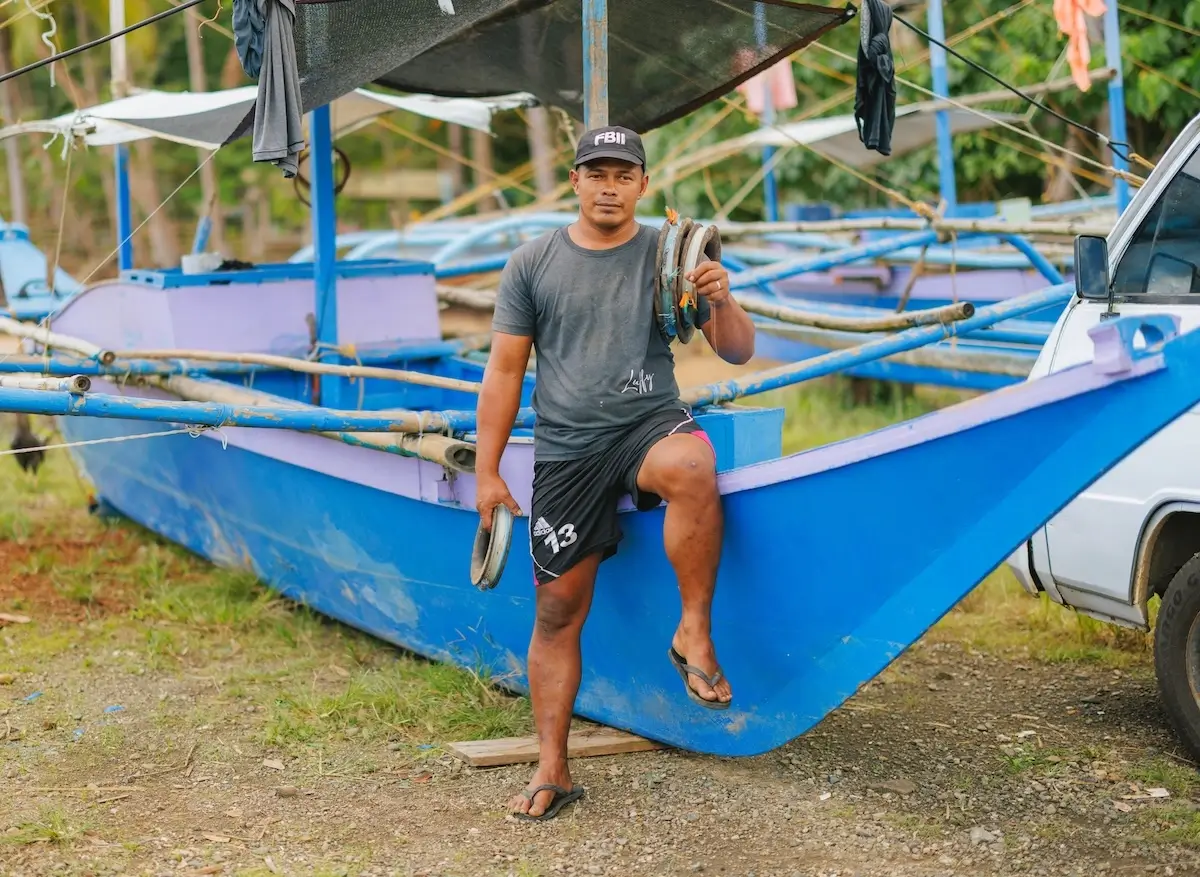
Mark Anthony Musero describes being barred from his own sea
It has an effect. For others, it may not because they go farther, but for me it does because you’re being prohibited from your own sea.
Mark Anthony Musero,
Puerto Princesa, Palawan
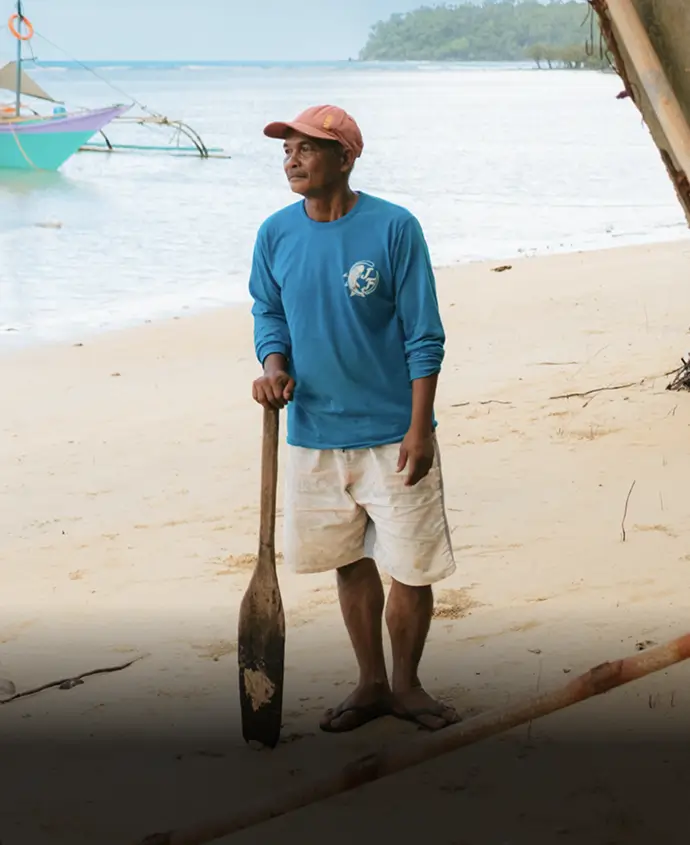
Hermelito Bacomo shares the uncertainty fishermen face
It makes fishing harder. Instead of focusing on fishing, you worry about unfamiliar ships. Sometimes you don’t know whether to continue or go home.
Hermelito Bacomo,
Puerto Princesa, Palawan
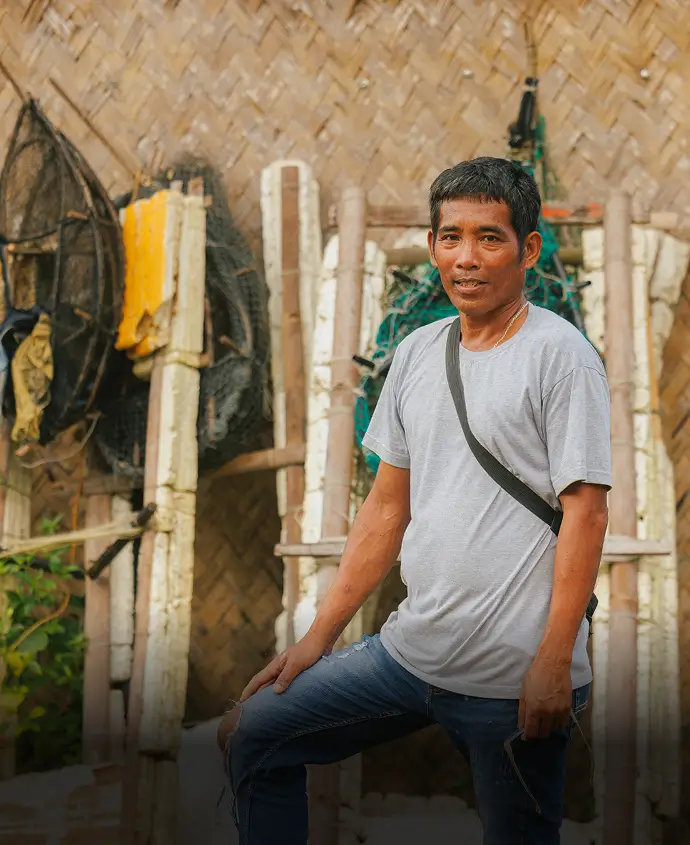
Wilfred Del Rosario fears going to sea as foreign vessels increase.
When their presence becomes more frequent - when there are more of them around... we also start to get scared to go out to sea.
Wilfred Del Rosario,
President, Bagong Bayan Fisherfolk Association,
Western Philippines University, Palawan
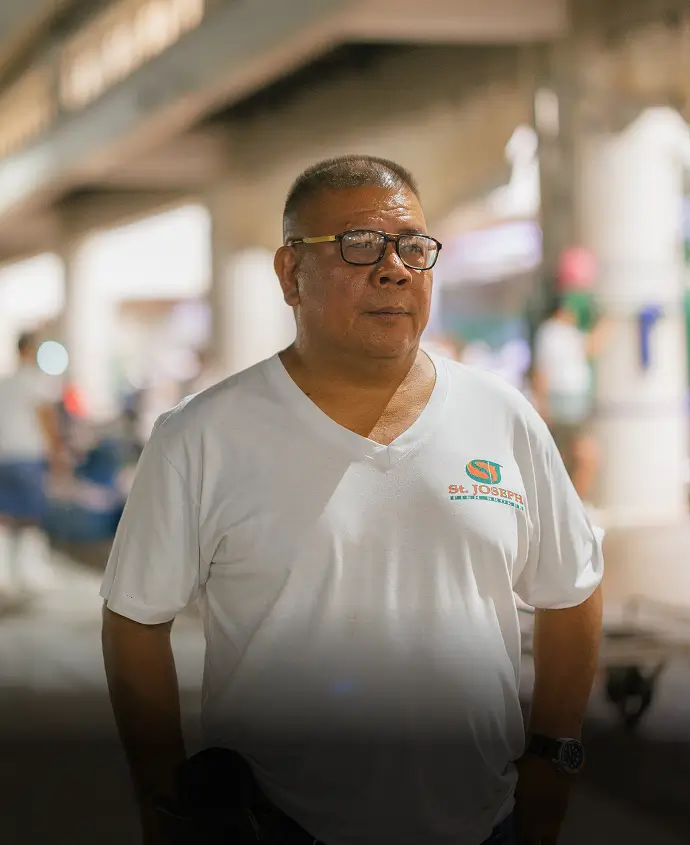
Paulino Almunicar shares how abundance has turned into scarcity
…fish were very abundant here with volumes reaching 70,000 to 80,000. Until now, sometimes like today, there are no arrivals—no fishing boats coming in.
Paulino Almunicar
Fish seller,
Navotas Fish Port complex, Manila
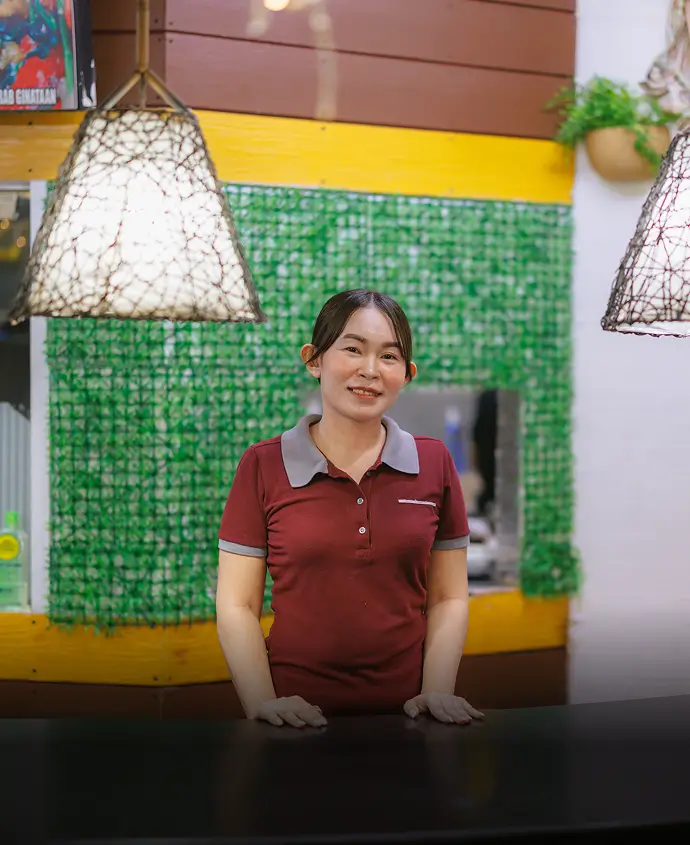
Ruby Semini describes the impact of fish shortages on vendors
If there is a supply for certain types of fish, we can get it from the market and offer it. But if there’s no supply in the market, we can’t offer it. We have nothing to serve them.
Ruby Simini,
Dampa Farmers market
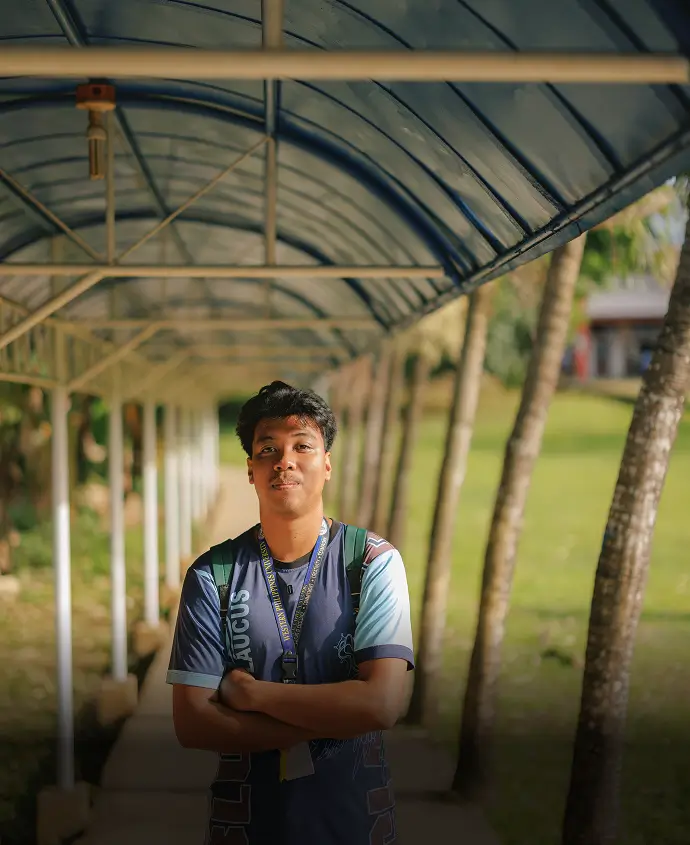
Kyle Joseph Dalisay explains how livelihoods depend on the WPS
The livelihood of most people really depends on the West Philippine Sea - their traditional catching grounds. Food security is really based mostly on the West Philippine Sea.
Kyle Joseph Dalisay,
Fisheries student,
Western Philippines University, Palawan
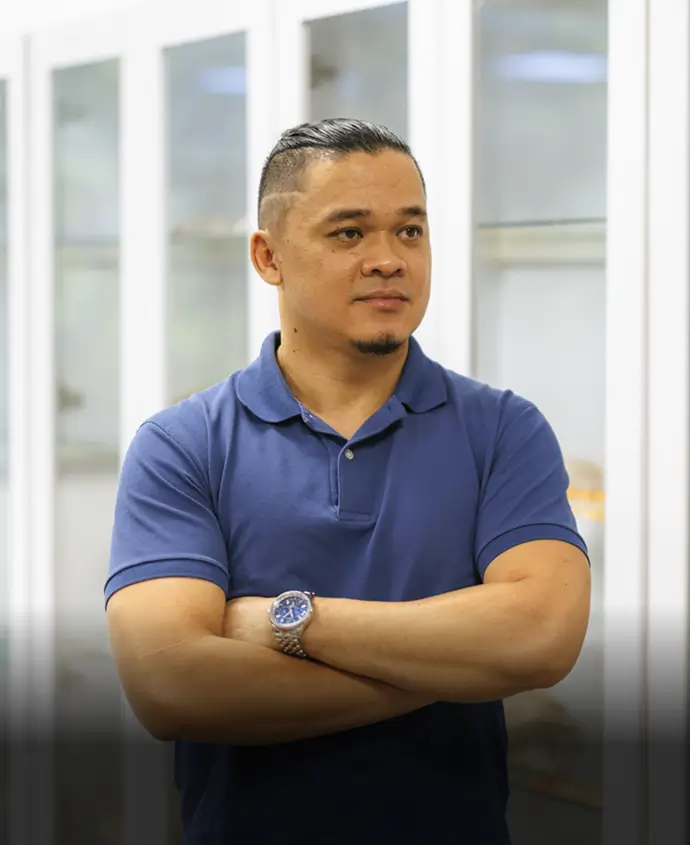
Kyle Joseph Dalisay explains how livelihoods depend on the WPS
Illegal human activities and their impacts on the ocean directly affect what ends up on the plates of Filipinos.
Deo Florence Onda,
Professor,
Seafarer UP Marine Science Institute, Manila
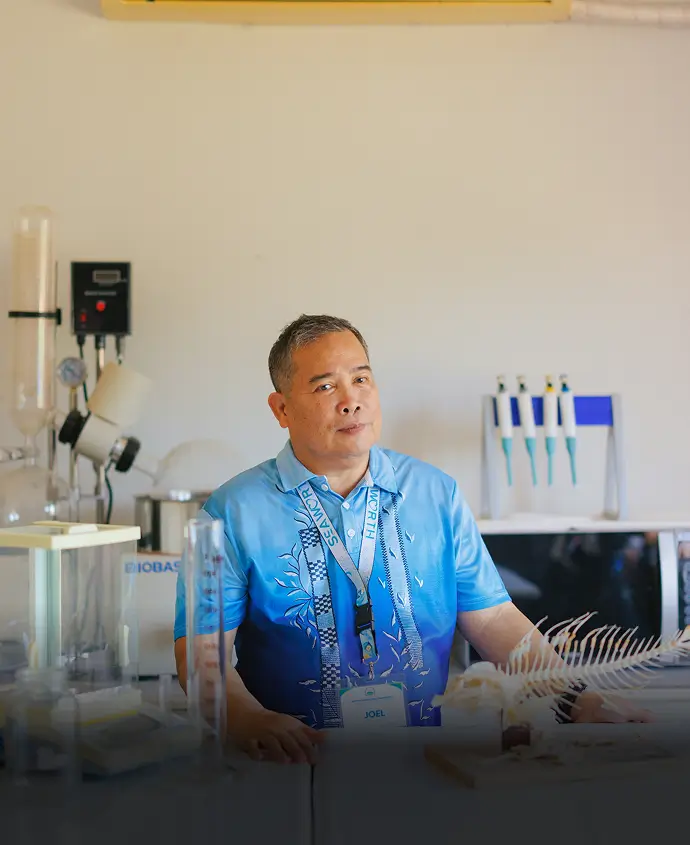
Josel Bisera calls for protecting marine resources
We should raise awareness that we need to conserve and protect our resources. If we fail to conserve them, what will happen in the future?
Josel Bisera,
Professor of Fisheries & Natural Sciences,
Western Philippines University, Palawan
Quiz

Are You Ready to Be a West Philippine Sea Bayani?
Take the quiz to level up.
CREATED AND BACKED BY
SUPPORTED BY